


Deep in the heart of the Karakoram Range is practised ‘Cattle Trip’, where ancient traditions are etched into the very glaciers, lies an adventure that transcends a typical trek. This is the cattle journey from Ghulkin Village to Patundas Meadows—a route defined by a centuries-old pastoral migration and a strange, modern mystery known as the “Glitch of the Cattle Trip.”
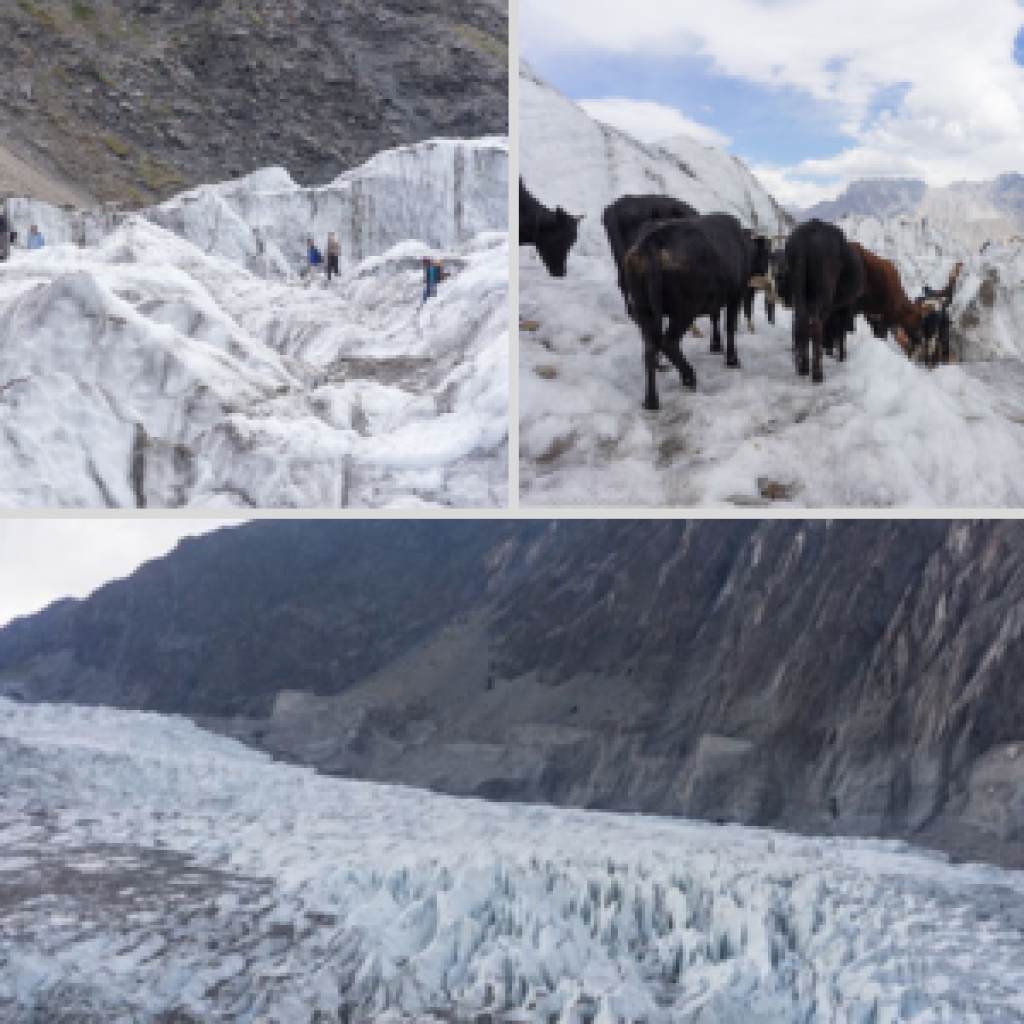
For the intrepid traveller seeking a profound experience in 2026, this cattle trip is more than a hike; it’s a front-row seat to a cultural spectacle set against one of the most dramatic backdrops on Earth.
The Stage: A Tradition Forged in the Mountains
Ghulkin Village is a serene settlement of warm hospitality and terraced fields, perched beside the stunning Ghulkin Glacier. For generations, the farmers here have practiced transhumance—the seasonal movement of livestock. Each summer, as the valleys warm, they guide their herds of oxen, goats, and sheep on a challenging ascent to the lush, high-altitude pastures of Patundas Meadows.
This journey isn’t just for grazing; it’s a deeply ingrained cultural ritual. Patundas also serves as the crucial base camp for mountaineers attempting the formidable Passu Peak (7478M) and Shisper Peak (7611M), making it a confluence of traditional life and extreme adventure.
Decoding the “Glitch of the Cattle Trip”
The “Cattle Trip” is the local name for this annual migration. The “Glitch,” however, is a term coined by awe-struck modern travelers who witness the event in the unique environment of the Karakoram.
Imagine this scene: Number of animals, their bells clanging, are driven across the stark, silent expanse of the Passu Glacier. Against the immense, jagged peaks, the senses are overwhelmed, and then it happens:
- Sensory Overload and Silence: The constant cacophony of the herd can suddenly cut out. For a few surreal seconds, the sound vanishes into the vastness, creating an eerie, profound silence as if reality has skipped a beat, before crashing back in.
- Visual Dissonance: The movement of the animals against the monochrome, icy landscape of the glacier can appear to stutter or “lag,” much like a buffering video. The sheer scale of the mountains creates an optical illusion, making the herd seem like a digital projection on an ancient canvas.
- The “Simulation” Feeling: This combination of extreme altitude, sensory contrast, and breathtaking scenery creates a powerful and unforgettable sense of experiencing a “glitch in the matrix”—a momentary peek behind the curtain of reality.
Your 2026 Expedition: How to Witness the Phenomenon
To experience this, precise timing and respect for the local culture are key.
Best Time to Go: Plan your expedition for the migration window, typically from late June to mid-July. This ensures the safest conditions for crossing the Passu Glacier and the highest chance of encountering the herders from Ghulkin.
The Trekking Route:
- Start: Begin in Ghulkin Village. Spend time here to acclimatize and appreciate the culture that gives this journey its meaning.
- The Ascent: The trail from Ghulkin leads towards Borith Lake before the challenging and awe-inspiring crossing of the Passu Glacier. Navigating its crevasses and moraines is the core of the adventure.
- The Destination: The reward is emerging at the beautiful Patundas Meadows, where you can witness the herds grazing and potentially experience the “Glitch.”
Essential Planning Tips for 2026:
- Before the cattle trip meet your Local Guide from Ghulkin/Hunza: This is absolutely critical. Not only does it ensure safe passage across the treacherous glacier, but it also provides invaluable cultural context and directly supports the community. A local guide will know the exact migration schedule.
- Acclimatize Thoroughly: Spend 2-3 days in Hunza (in Karimabad, Passu, or Ghulkin itself) before attempting the trek to prevent altitude sickness.
- Train and Gear Up: This is a serious high-altitude trek. You need excellent fitness, sturdy boots, glacier sunglasses, trekking poles, and layers for all conditions.
- Travel with Respect: You are a guest witnessing a traditional practice. Be respectful, ask for permission before taking photographs of people, and follow your guide’s lead on etiquette.
The Takeaway: More Than a Trek
The cattle trip journey from Ghulkin to Patundas is a highlight reel of the Karakoram’s best features: humble villages, mighty glaciers, and soaring peaks. But the chance to witness the annual cattle migration and its accompanying “Glitch” transforms it into a story you’ll tell for a lifetime. It’s a powerful reminder of the enduring harmony between culture and nature in one of the world’s most extreme environments.
Have you witnessed a cultural migration or a natural phenomenon that felt surreal? Share your stories or questions about Hunza in the comments below!
0 Comment