from 0 review
13 Days and 12 Nights
Daily Tour
20 people
chinese, English, Francais, german
The Indus Civilization Tour also known as ‘Karachi to Peshawar Tour’ offers a unique experience distinct from our other offerings. This exceptional journey takes you from the vibrant streets of Karachi to the historical and cultural depths of Punjab, and Peshwar, immersing you in a rich tapestry of Sufi heritage, desert fortresses, bustling bazaars, and lively cities.
Indus Civilization Tour. starting in Karachi, you’ll explore one of Pakistan’s most dynamic and historic cities. From there, you’ll travel through landscapes dotted with World Heritage ruins and dazzling Sufi mausoleums. Discover the sacred tombs of revered mystics and poets, visit the ancient ruins of Mohenjo-daro, and explore the Cholistan Desert to marvel at the grand Derawar Fortress. In Multan, known as the City of the Sufis, you’ll delve into the spiritual heart of the region . Lahore, the cultural hub of Punjab, offers a deep dive into the historical and religious legacies of the Mughal, Sikh, and British Empires amidst its vibrant and bustling atmosphere. From Lahore, you will travel to Islamabad,a modern city and further go North to see the ancient city of Taxila and the thriving but historical city of the storytellers, Peshawar.
Pakistan holds a special place in our hearts, and with over two decades of experience running tours here, we have a profound understanding of the country’s political and cultural complexities. Leveraging this extensive knowledge, we are committed to providing innovative and authentic travel experiences, utilizing top-notch guides, transport, and accommodations to ensure a memorable adventure.
One of the most intriguing aspects of the Civilization is its urban planning. The cities of Harappa and Mohenjo-Daro featured well-laid-out streets, advanced drainage systems, and complex architecture. This level of sophistication was unparalleled in its time, reflecting the highly organized nature of this society.
The Indus Civilization is renowned for its unique script, which remains undeciphered to this day. This script, found on seals and artifacts, hints at a system of writing that has yet to be fully understood. The mystery of the Indus script continues to captivate historians and linguists.
The civilization thrived on trade, with evidence of contacts extending to Mesopotamia. They engaged in long-distance trade, exporting items like pottery, beads, and textiles. Their economy was primarily agrarian, with the cultivation of wheat, barley, and cotton playing a significant role.
The Civilization’s religious beliefs and practices are still a matter of debate. However, various artifacts suggest a reverence for deities, with some experts proposing connections to later Hindu traditions. The art of the Civilization, including sculptures and pottery, showcases intricate craftsmanship and a deep appreciation for aesthetics.
Around 1900 BCE, the Indus Civilization began to decline, possibly due to factors such as environmental changes, invasions, or shifts in trade routes. By 1500 BCE, the once-flourishing cities were abandoned, and the civilization gradually faded into obscurity.
The Civilization holds immense significance as one of the cradles of human civilization. Its achievements in urban planning, trade, and culture were far ahead of its time. While it may not have left behind a decipherable written record, the artifacts and ruins provide invaluable insights into the ancient past.
Archaeological excavations and ongoing research continue to shed light on the Indus Civilization. New findings have expanded our knowledge of their social structures, daily life, and the factors that led to their decline. This civilization remains a subject of fascination for scholars and enthusiasts alike.
For those interested in experiencing the history and culture of the Civilization firsthand, there are several sites in Pakistan that are open to tourists. The most famous among them are Mohenjo-Daro, a UNESCO World Heritage site, and Harappa. These archaeological sites provide a glimpse into the remarkable achievements of this ancient civilization.
The Indus Civilization Tour in Pakistan represents a remarkable chapter in the history of human civilization. Its advanced urban planning, enigmatic script, and contributions to trade and culture make it a topic of enduring interest. As we continue to uncover its mysteries, the legacy of this ancient civilization continues to shine through the sands of time.
Our guide will welcome you at the Airport. We will transfer to hotel and brief you about the tour details. You will need rest after a long travel. Note: If the flight is in the morning then then it will save you one day as you can explore Karachi in the same day. However due to the nightstay, it will be counted as Day-1
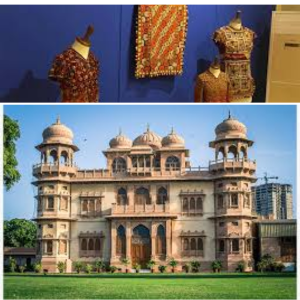
After breakfast, you'll head out to see Karachi's main sites starting with Mazar-e-Quaid, then move through Frere Hall and Empress Market. The day continues at Mohatta Palace and the National Museum of Pakistan where you'll learn about the country's history. Later, you drive to Clifton Beach to watch the sunset over the Arabian Sea, then return for dinner.
You leave Karachi after breakfast and head toward Hyderabad, making stops at Chaukandi Tombs, Banbhore Museum, and the Banbhore Heritage Site along the way. From there, you'll visit Makli Hill (a UNESCO World Heritage site) and see the Shah Jahan Mosque in Thatta. You arrive in Hyderabad and check into your hotel by evening.
Starting from Hyderabad, you drive northwest through Sindh toward Sehwan, stopping at the shrines of Sufi saint Abdul Latif Bhittai to learn about these mystics and poets. Next comes Ranikot Fort before reaching Sehwan. The afternoon is relaxed, then at sunset you head to the Shrine of Hazrat Lal Shahbaz Qalandar to see the Sufi Dhammal devotional dance. Dinner and overnight follow at your hotel.
After breakfast, you drive towards Larkana and then visit Mohenjo-daro, a UNESCO World Heritage Site from the 19th century BC and one of the largest ancient Indus Valley settlements. You spend time at the Mohenjo-daro Museum seeing artifacts from this civilization. Later you continue to Sukkur for your overnight stay.
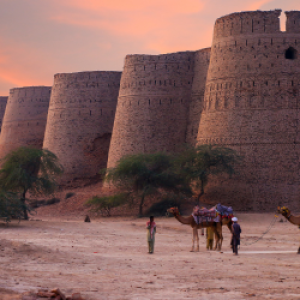
Your day begins at the Seven Sisters Shrine, a spiritual Sufi site near the Indus River. Then you move to Uch Sharif to explore its revered shrines with their blend of Islamic and local styles. After that comes Derawar Fort in the Cholistan Desert with its dramatic walls and landscape views. You finish in Bahawalpur where you check in for the evening.
You start by checking out Bahawalpur's historic sites including Noor Mahal and Farid Gate with its lively market. Then you head to Multan, known as the City of the Sufis on the Chenab River, where you visit Sufi shrines like Shah Rukn-i-Alam, Bahauddin Zakariya, and Shams Tabrez. Time in the Old Bazaar lets you take in the vibrant atmosphere.

Member Since 2022